Overview
Cityzens 4 Clean Air (C4CA) is a youth-led, data-informed advocacy initiative advancing clean air as a public health and urban development priority across African cities. Implemented in Accra, Lagos and Nairobi, the project equips Cityzens Hubs with tools, training and participatory governance mechanisms to generate evidence on air pollution and translate it into targeted policy influence and action. By embedding citizen science within transport, waste and green infrastructure decision-making, the project aims to strengthen youth participation and accelerate locally grounded clean air action.
Timeline
Dec 2025 – Dec 2027
This limits cross-sector action and reduces opportunities to build durable coalitions across transport, waste management and urban planning. At the same time, young people, who experience the greatest exposure and will live longest with the consequences, remain largely excluded from decision-making processes shaping air quality.
Cityzens for Clean Air responds to these gaps by strengthening youth-led precision advocacy within existing Cityzens Hubs in Accra, Lagos and Nairobi. Building on earlier phases of Cityzens for Clean Air, this project moves from establishing proof of concept to deepening implementation. It embeds clean air advocacy within three strategic urban entry points – transport, waste and green infrastructure – where policy momentum already exists.
The project positions clean air as a shared urban priority that connects health, climate resilience and everyday lived experience. By combining citizen-generated data, participatory governance and institutional partnerships, Cityzens for Clean Air aims to normalise youth participation as a core component of equitable and effective air quality management.
Youth leaders and civil society partners will receive targeted training, toolkits and digital resources to collect, analyse and communicate air quality data across transport, waste and green infrastructure contexts. This is supported by upgrades to the Cityzens training portal, introducing sector-specific training modules and enhanced data visualisation focused on PM₂.₅ exposure.
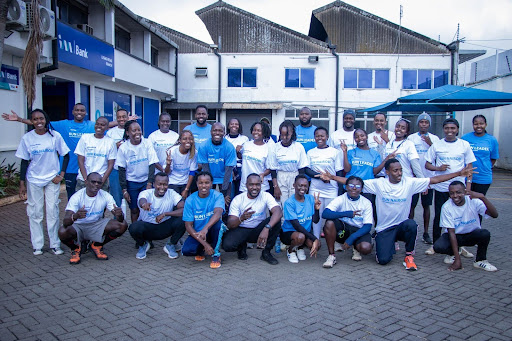
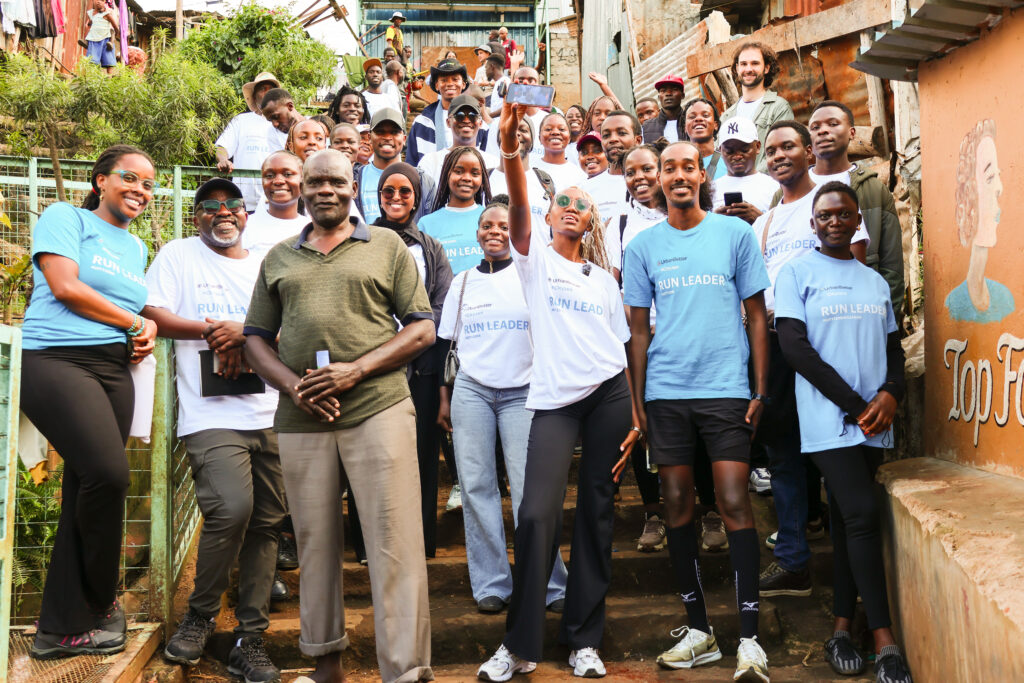
Second, the project integrates sustained community mobilisation. Regular activations and campaigns combine physical activity with wearable air quality sensors and geolocated observations to generate hyperlocal evidence. Data collection is paired with storytelling and public engagement to build visibility, legitimacy and momentum.
Third, participatory governance mechanisms are institutionalised. Citizens’ assemblies for clean air will be convened in Accra and Lagos (building on prior experience in Nairobi) to deliberate on evidence, co-design interventions and translate community priorities into policy-relevant recommendations.
Finally, precision advocacy interventions will be co-designed in all three cities (and implemented in Lagos) with decision-makers. The goal is that through policy mapping, design studios and structured policy dialogues, Cityzens evidence is directly connected to planning cycles and implementation pathways.
This project builds on the 2022–2025 phases of the Cityzens 4 Clean Air project which demonstrated the effectiveness of youth-led Cityzens Hubs as social infrastructure for clean air action. Fully operational Hubs in Accra, Lagos and Nairobi became trusted centres for air quality monitoring, public engagement and advocacy.
Linking air quality campaigns to high-visibility sporting events, including the Lagos City Marathon and World Athletics competitions, significantly expanded public reach and understanding of air pollution as a health issue. The precision advocacy model also proved capable of influencing formal decision-making. In Lagos, sustained youth-led activations and campaigns led to a formal partnership with the Lagos Metropolitan Area Transport Authority (LAMATA), including an MOU supporting implementation of the state’s non-motorised transport policy.
Strong interest from other African cities and international audiences confirmed the model’s adaptability and potential for wider application.
Priority areas include reinforcing social infrastructure to support intercity learning and Hub leadership development, optimising digital infrastructure to enhance data-driven advocacy, and developing structured participatory mechanisms through which youth-generated evidence can systematically inform clean air decision-making.
The project also seeks to deepen institutional partnerships, moving from ad hoc engagement toward embedding youth participation and citizen-generated data within routine public and private sector planning processes.
Project team

Olamide Ejorh, Lagos Urban Design Initiative
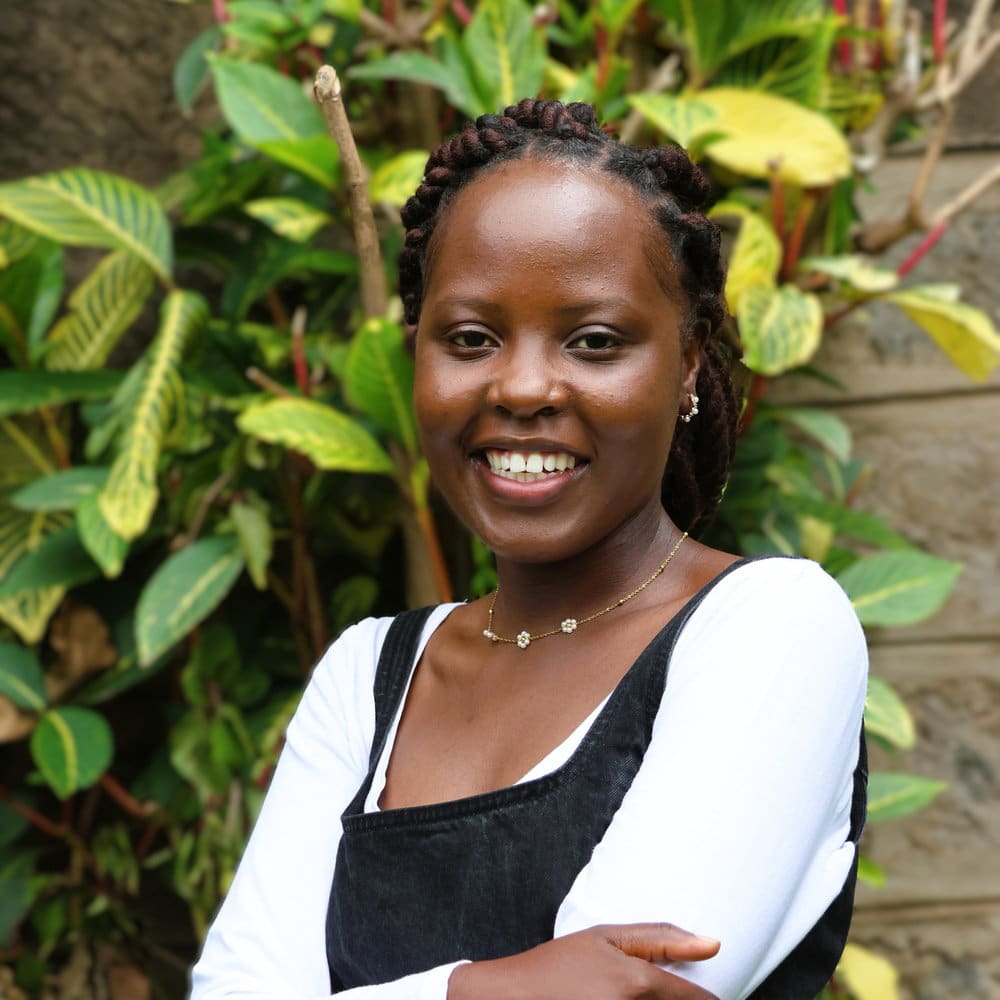
Brenda Ngoya, UrbanBetter Nairobi Cityzens Hub

Regina Opondo, Kounkuey Design Initiative

Lord Offei – Darko, UrbanBetter Accra Cityzens Hub

Jacob Johnson Attakpah, Green Africa Youth Organization (GAYO)
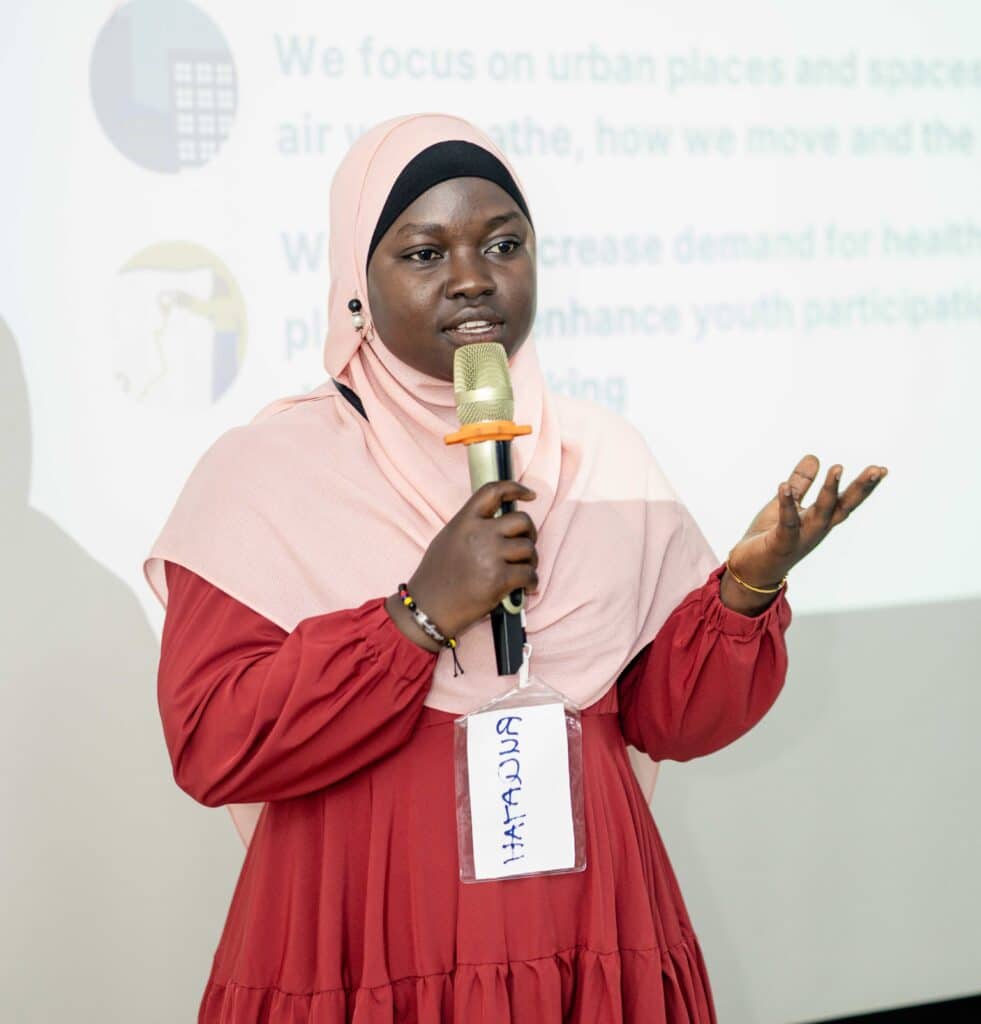
Salau Rukayat, UrbanBetter Lagos Cityzens Hub
Partners

Funders